




THE FUTURE OF WOMEN* WHO RUN: Strong voices shaping the future of running
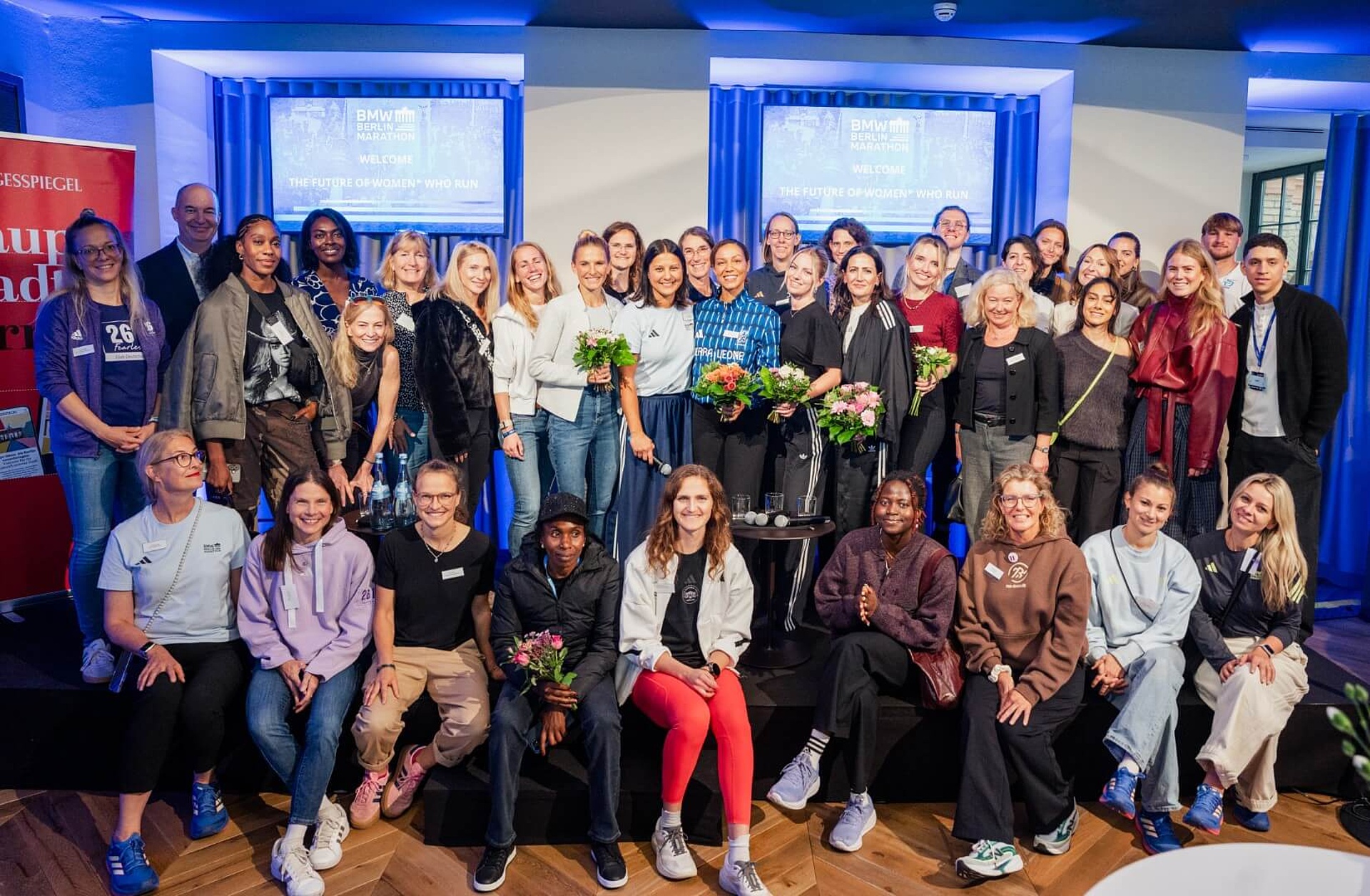
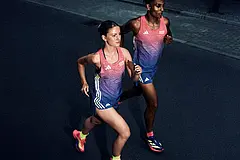
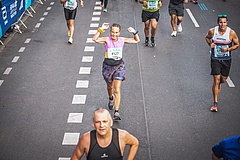
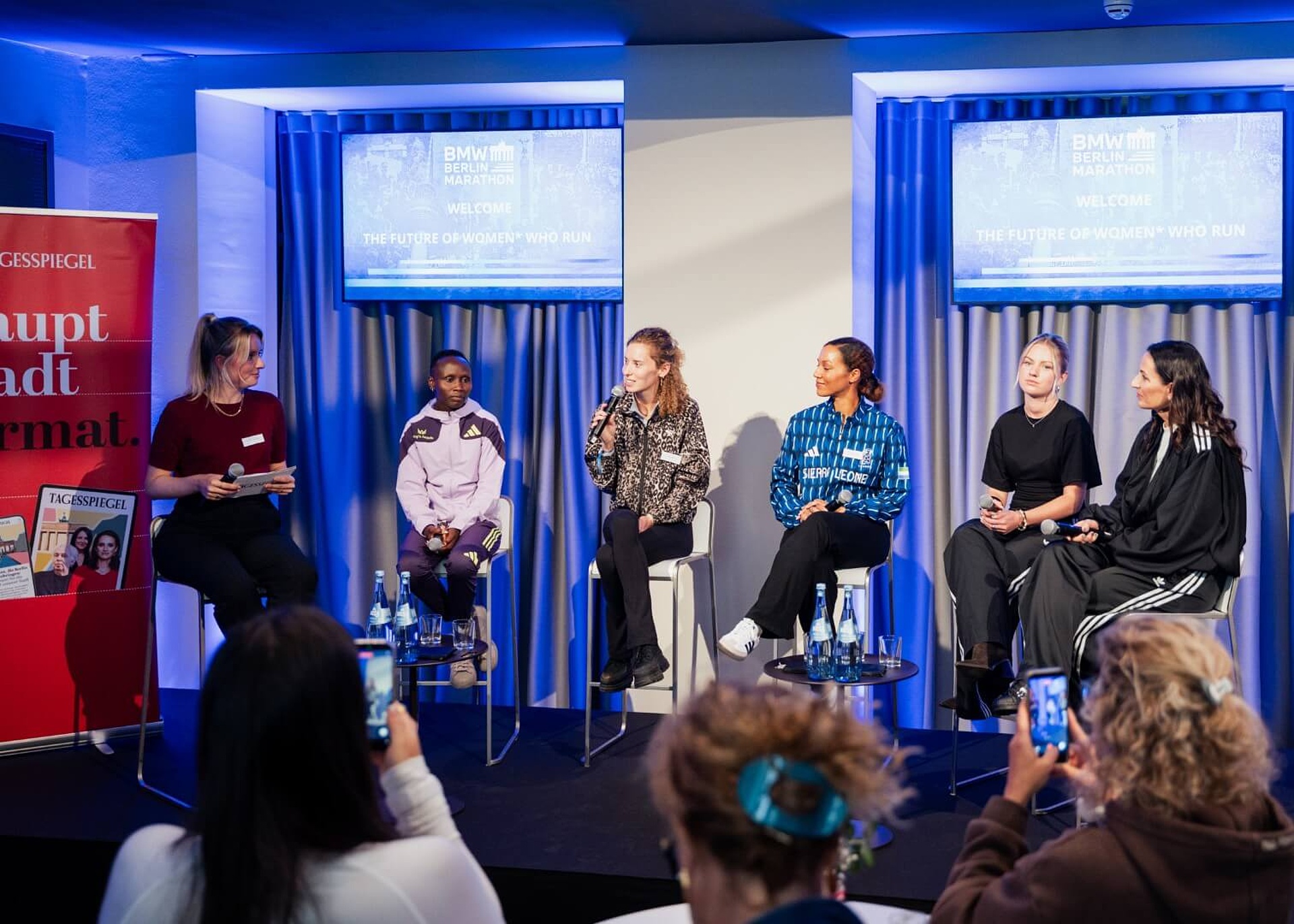
Women account for 36.2 percent of all participants in the 2026 BMW BERLIN-MARATHON. Among runners aged 26 to 30, the share has already reached 40.2 percent. So how can we create a positive future for women in running? This question was at the heart of the “THE FUTURE OF WOMEN* WHO RUN” panel, held three days before the BMW BERLIN-MARATHON. Bringing together voices from elite and recreational sport, media and business, the discussion explored the opportunities – and the challenges – facing women in the sport. The panel was moderated by Inga Hofmann, senior sports editor at Tagesspiegel.
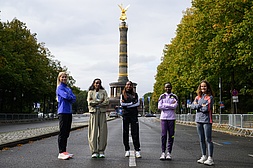
The panel brought together a high-profile group of speakers: Jennifer Thomas, Vice President Global Sports Marketing and Communities, BU RUNNING – GLOBAL BRANDS at adidas; Rosemary Wanjiru, winner of the 2025 BMW BERLIN-MARATHON; Esther Pfeiffer, one of Germany’s leading female athletes; Anna Hankings-Evans, founder of Black Women Run; and creator Eva Zimmermann. Three-time BMW BERLIN-MARATHON winner Gladdys Cherono also joined the discussion. Their different experiences and perspectives highlighted just how diverse the issues shaping women’s experiences in running are.
Jennifer Thomas stressed that progress towards greater equality requires men to be part of the conversation, too. Men need to be brought on board and encouraged to become advocates and allies. She also reflected on how male supporters and allies had helped her throughout her own career.
Safety remains a key issue.
For many women, feeling safe while running anytime and anywhere cannot be taken for granted – including in Berlin. Together with Tagesspiegel, SCC EVENTS therefore launched “WOMEN WHO RUN in the Dark”, a running programme specifically designed for women during the darker months of the year. The programme is set to return next winter.
There is also a need for greater focus on women-specific needs in sport and medicine. Dr. Margrit Lock of the BMW BERLIN-MARATHON Medical Board highlighted gaps in research on topics ranging from training science and race nutrition to medical care.
Role models create opportunities
Ingalena Schömburg-Heuck (@leni_runner) addressed another everyday challenge: finding room for sport alongside family life. For many mothers, making exercise a natural part of their daily routine is still difficult. A change in mindset is needed so that women can claim time and space for sport and physical activity as a matter of course.
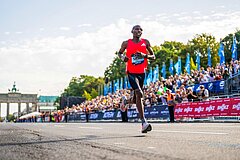
For Rosemary Wanjiru, being a role model is becoming increasingly important in Kenya. She is particularly moved when girls in school uniforms start running alongside her during training – a reminder of the impact athletes can have beyond competition.
For Anna Hankings-Evans and creator Eva Zimmermann, creating inclusive running communities is central to their work. Pace is secondary; what matters is making sure that everyone feels welcome and has a place in the community.
Esther Pfeiffer also uses her public platform to address issues that affect women. She spoke about her own experiences with catcalling and the conversations around these topics on her “Glitzerflitzer” podcast. At the same time, she pointed out that women and men are already on equal footing in many areas – including prize money.
Across the different perspectives, one message stood out: role models and safe, inclusive spaces matter at every level of the sport. They can give girls and women the confidence to try, to push their boundaries and to discover what they are capable of. The “THE FUTURE OF WOMEN* WHO RUN” conversation aims to keep that dialogue going and help shape the future of running.